On the Brink of Ruin – What Will Happen to Municipalities After the Change of Government?
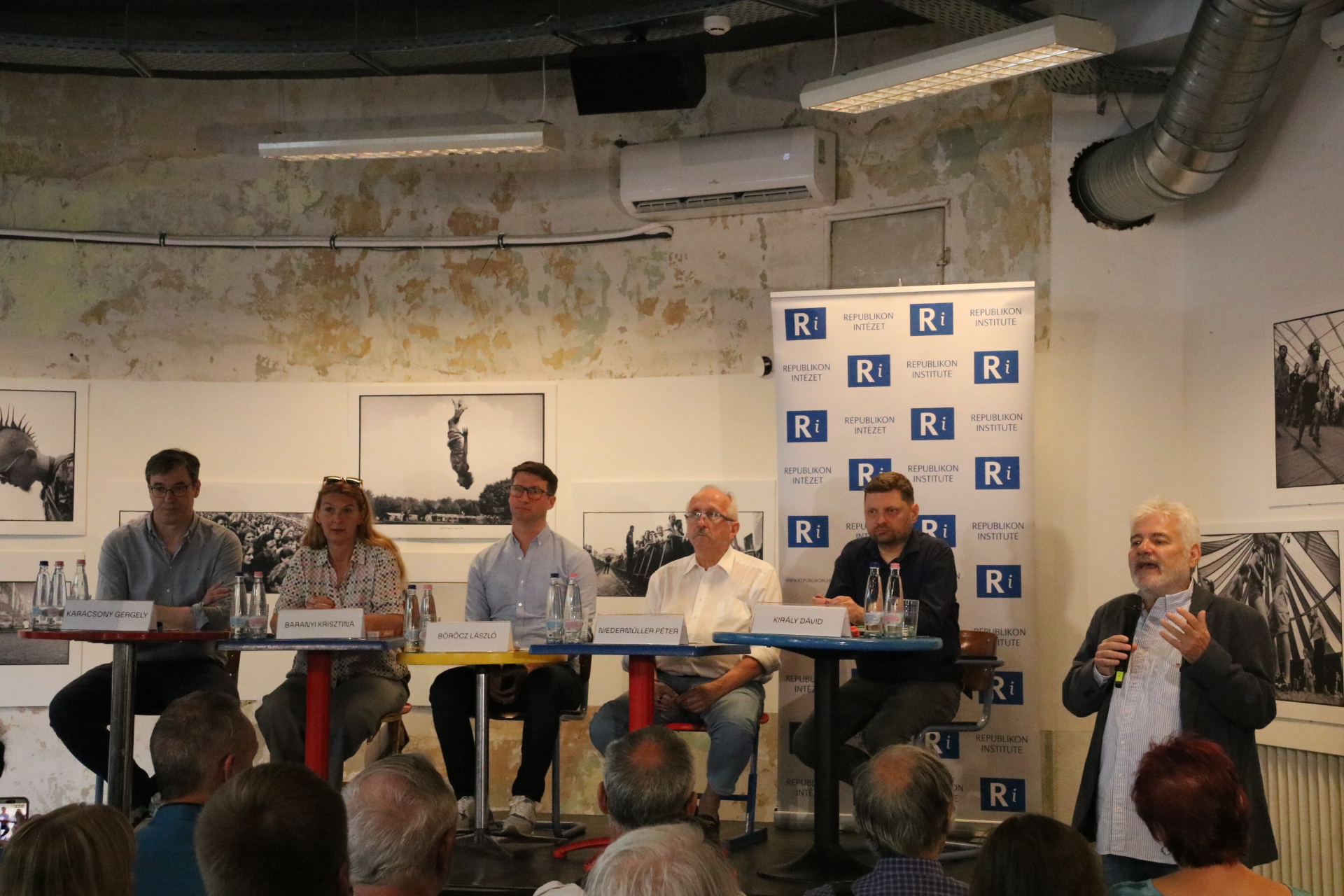
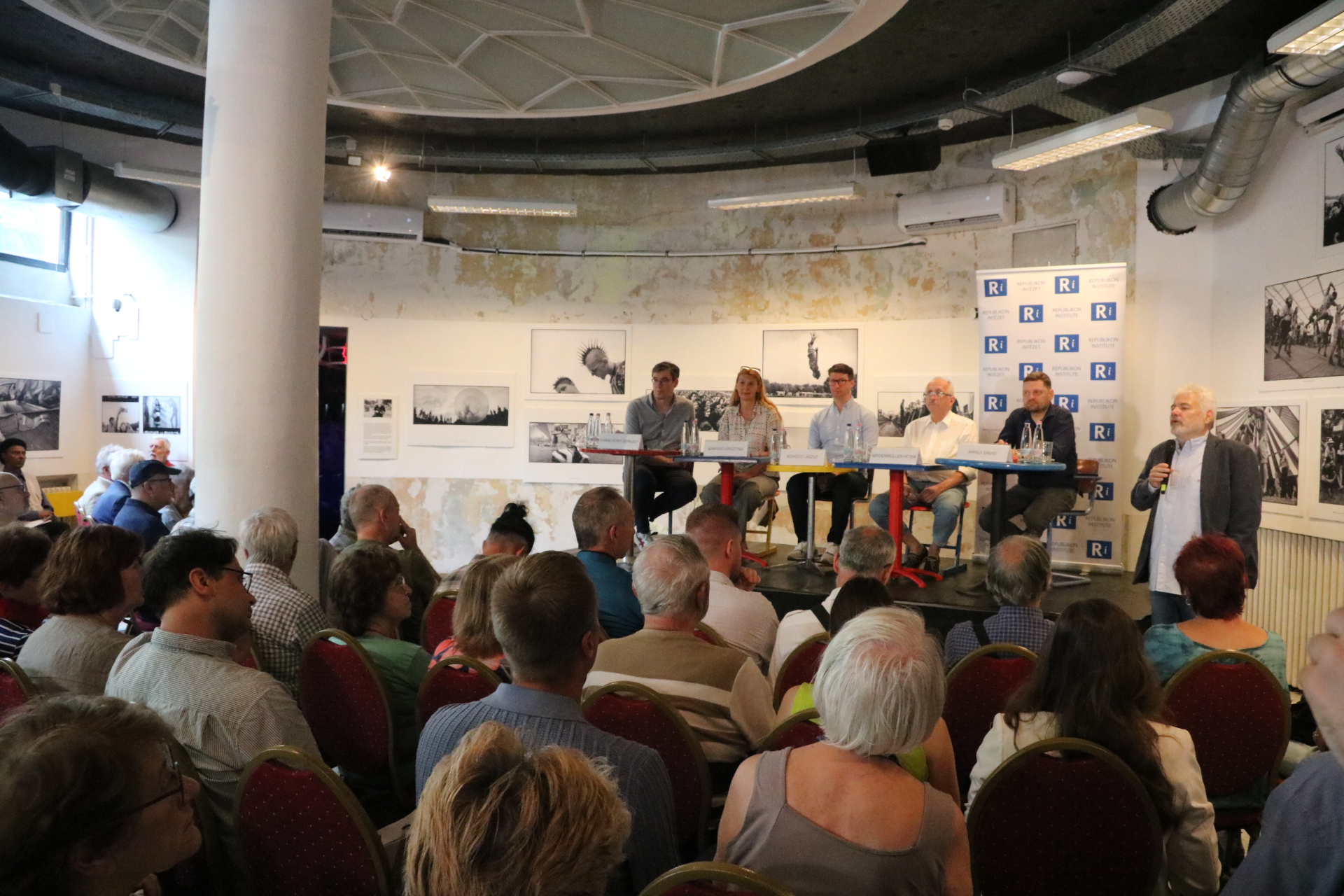
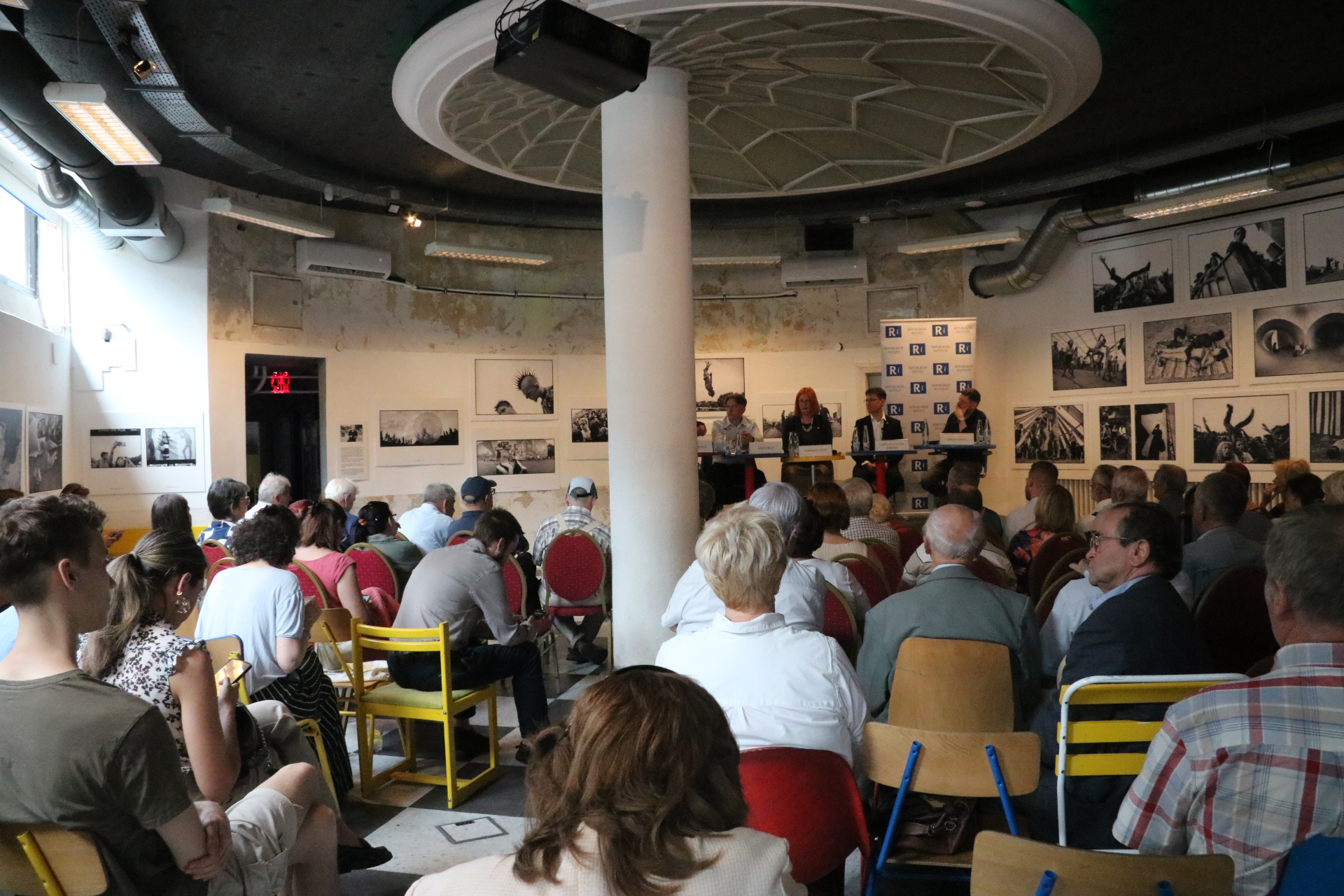
On June 9, 2026, the Republikon Institute held a conference titled “On the Brink of Ruin – What Will Happen to Municipalities After the Change of Government?”, during which municipal representatives outlined their situations in light of the change of government.
The first part of the event discussed the future of Budapest, which had been bled dry to the extreme under the Orbán government. The discussion covered the capital's administrative system, powers, and financing, as well as potential cooperation between the capital and the government, with the participation of the Mayor of Budapest and district mayors. In the second part, mayors from agglomerations, county seats, and small settlements discussed the most critical challenges facing municipalities and their expectations of the new government.
First Panel: The Capital
Participants:
Krisztina Baranyi, Mayor of Ferencváros
László Böröcz, Mayor of Budapest's 1st District
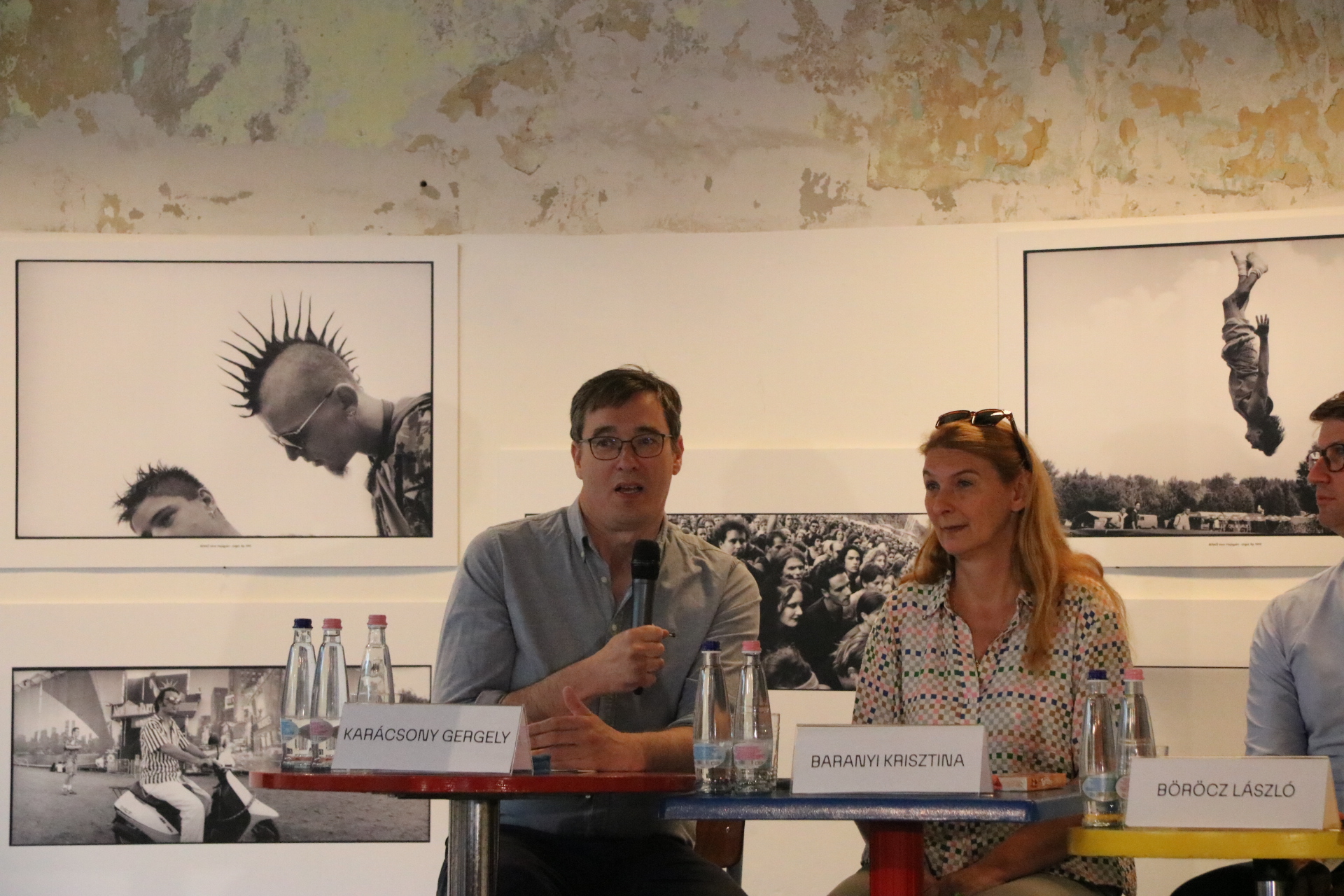
Gergely Karácsony, Mayor of Budapest
Péter Niedermüller, Mayor of Erzsébetváros
Gergely Karácsony reported on the situation of the capital. He agrees with the plan outlined in the Tisza program, according to which the relationship between the capital and the state should be regulated at the legislative level on a partnership basis. He emphasized that Budapest is currently balancing on the brink of bankruptcy due to political reasons: "According to our current knowledge, the capital's municipality will become insolvent next week," as the 60-day grace period for paying the solidarity contribution is about to expire. They are waiting for an agreement with the new government on this matter. The top priority now is maintaining the city's operational capacity, which is a short-term, acute problem that hinders the possibility of long-term investments. He agreed with the other participants that districts need more authority; however, he stressed that this should not be rushed, and he hopes that over several years, they can reorganize the burden-sharing in a way that serves the population's needs as efficiently as possible. Regarding schools, Karácsony explained that the best-performing education systems in the world are decentralized: elementary schools belong under district maintenance, while high schools belong under the capital's maintenance. However, he added that the school problem is primarily a financial issue, not a question of jurisdiction. He considered it important to reach a unified decision on school jurisdiction, because if districts could decide for themselves whether to reclaim their schools, it would lead to severe segregation.
Krisztina Baranyi shared her experiences as the Mayor of Ferencváros. Unanimously with the Mayor of Budapest, she emphasized that restructuring the relationship between the districts and the capital can only be a priority once the capital's financial security is resolved. According to her, the solidarity tax and the current distribution system must be completely overhauled, as it is "unfair and bad" in its current form. From the perspective of burden-sharing, she considered a rational distribution of tasks important: tasks that exceed the capacity of individual districts, such as sewage or transport, belong at the capital level, whereas green space management, public space and cultural services, elderly care, and social care would operate more efficiently at the district level. Regarding EU funds, she highlighted that projects are already in preparation to utilize them, including the development of the student city (diákváros), the renovation of 3 or 4 municipal social housing buildings, the construction of a completely new social housing building, and the upgrading of the suburban railway (HÉV).
László Böröcz, Mayor of Budapest's 1st District, defended the previous government's centralization efforts but admitted that tasks providing solutions to the daily problems of local residents belong with the municipalities. Regarding the solidarity tax and the budgetary difficulties of local governments, he explained that municipal revenues can be increased through conscious and rational management. Those who want to be motivated and efficient should be able to succeed, and successful municipalities should not be punished by the government. He would allocate EU funds to transport investments and digitalization. In terms of transport, he highlighted the development of the HÉV, the extension and accessibility of tram lines, the development of the Déli railway station, and bus developments serving local tourism, while also planning social housing developments. Regarding the latter, he noted that he had been in contact with Mayor Krisztina Baranyi and had monitored the progress of the housing development in Ferencváros. He considers the digitalization of municipal operations to be of paramount importance. Thanks to developments so far, half of their signatures are already done electronically, which is not only environmentally friendly by reducing paper waste but also makes the entire operation of the municipality more transparent.
Péter Niedermüller, Mayor of Erzsébetváros, emphasized that although they expect a great deal from the new government, so far they have only perceived a high degree of uncertainty regarding municipalities. He highlighted that municipalities are part of the state, performing tasks that make citizens' quality of life either better or worse, and this cannot be treated separately. From a burden-sharing perspective, the social safety net, district nurse services, and fulfilling cultural needs would be best placed at the municipal level. Regarding the solidarity tax, he stated that since its introduction, it is unknown where the money went, and a fundamentally different program is needed within the financial equalization system. He highlighted two major areas for EU funds: housing policy, specifically the modernization of municipal housing, and expanding the social safety net with new approaches.
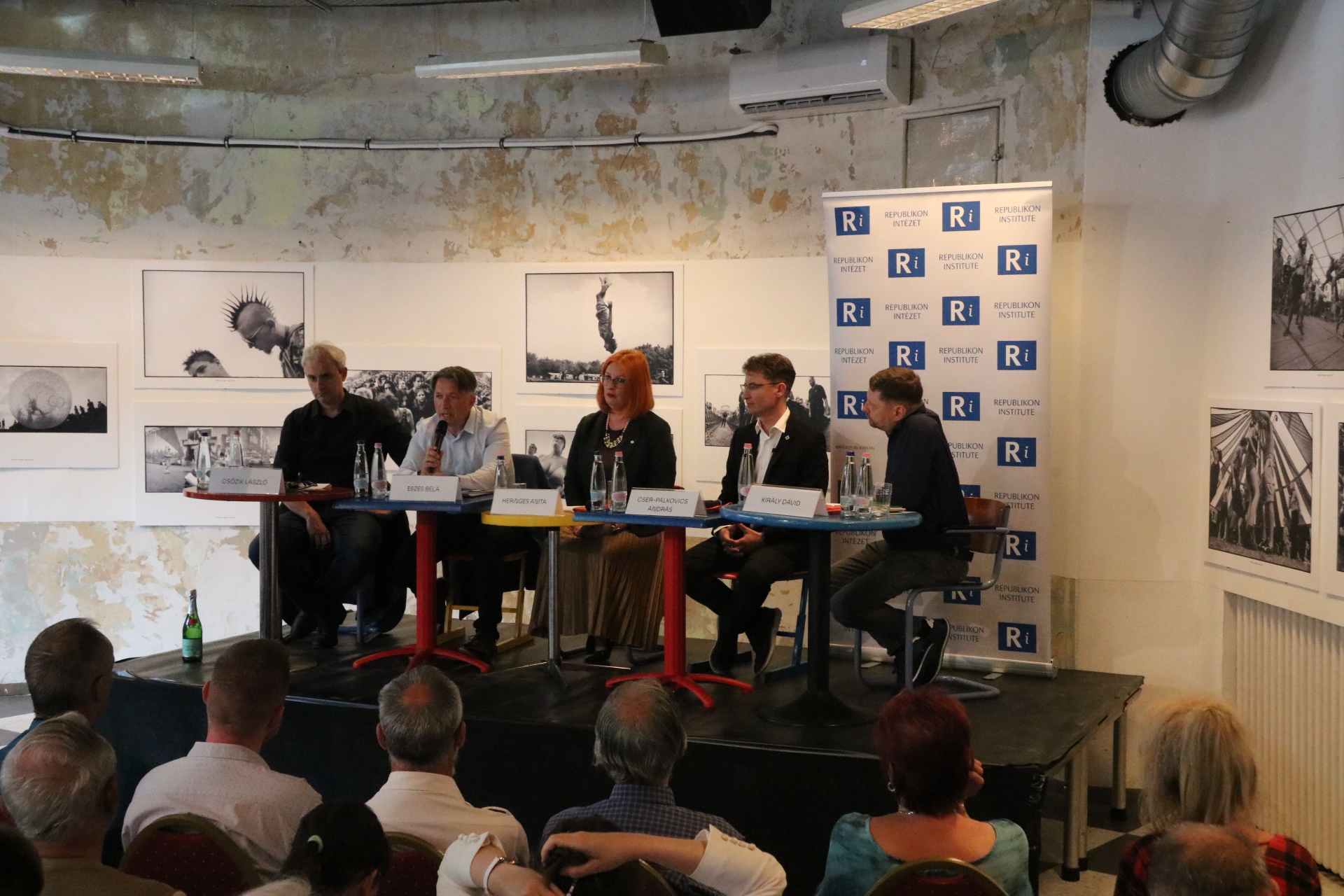
Second Panel: Rural Areas / The Countryside
Participants:
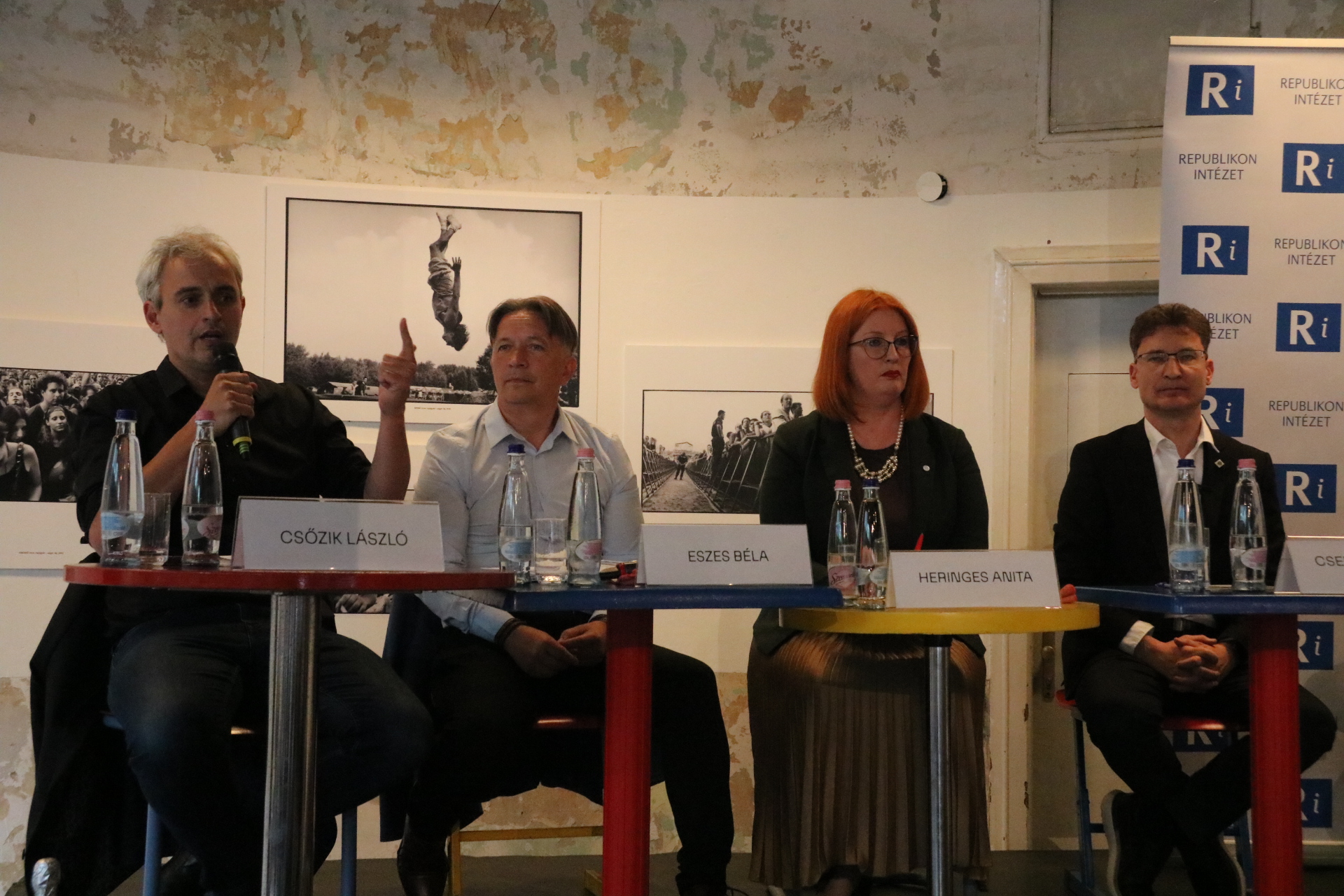
András Cser-Palkovics, Mayor of Székesfehérvár
László Csőzik, Mayor of Érd
Béla Eszes, Mayor of Jánoshida
Anita Heringes, Mayor of Paks
In the second panel of the conference, the situation of rural municipalities, the possibilities of administrative reform, and policy expectations from the new government were underestimated and discussed with the participation of leaders from agglomerations, county seats, and small settlements. During the discussion, it became clear that rural communities are also waiting for the concrete decisions of the new cabinet in an atmosphere of uncertainty, while urging immediate answers to fundamental questions of jurisdiction and funding.
András Cser-Palkovics, as the Mayor of Székesfehérvár, highlighted that although symbolic consultations have already taken place, they expect detailed policy negotiations with the new government by the end of the month. He emphasized that municipal funding forms the foundation of local quality of life, making it essential to review the outdated list of mandatory and voluntary tasks so that fund distribution more accurately reflects real needs. He sharply criticized the planned two-term limit for mayors, calling it anti-democratic, arguing that the decision should be left to the residents of the settlements. Regarding the solidarity tax, he explained that stripping resources away is unfair due to the local industrial burdens communities must bear. He added that the salaries of municipal professionals must be made competitive with the market. Regarding EU funds, he indicated that due to complicated applications, the coordinating role of county municipalities and the involvement of partners will gain value as direct EU subsidies increase.
Anita Heringes, Mayor of Paks, urged immediate government decision-making, as urban development over the past two terms had been completely neglected in the areas of waterworks, education, and infrastructure. She marked the restarting of their one-day surgery clinic as a priority goal and indicated that cities are ready to move forward once they receive the guidelines. She firmly rejected the reduction of mayoral salaries, pointing out that alongside immense decision-making responsibility, professional expertise and appropriate compensation are required. Regarding education, she agreed that schools are in much better hands with municipalities, but they can only be good custodians if they also receive back the necessary resources to do so. She believed that county assemblies currently serve no purpose, and she would spend EU funds on developing the utility network, sewage and drainage systems, as well as modernizing the road system for housing related to Paks 2, which the municipality has currently been forced to pay for upfront.
Béla Eszes, as the Mayor of Jánoshida and co-chair of the Association of Hungarian Municipalities (MÖSZ), brought the perspective of small settlements into the debate, reminding everyone that since 1998, decision-making and financing have continuously been stripped away from local governments. He expressed hope that politics will finally center around local communities and that they will regain their decision-making powers. He also considers the term limits for mayors and salary cuts to be undignified. On the issue of schools, he emphatically requested the provision of full, equal funding regardless of the operator, as well as guaranteeing multi-purpose institutional maintenance associations and adequate professional staffing. Regarding administrative reform, he stated that he sees the future in micro-regional operations and village alliances. In the field of EU funds, he mentioned that their settlement managed to implement Erasmus Plus programs aimed at local sensitization.
László Csőzik, Mayor of Érd, looks toward the municipal chapter of the Tisza program with tense anticipation, as it promises the return of resources. He raised questions about whether a two-term limit would be forced upon leaders, whether there would be early elections, and how the government would handle struggling municipalities alongside an empty state treasury. He declared that if the winning party accepts that, apart from the Budapest factions, they do not have their own mayors and does not force re-votes for these positions, then the system will pass the rule of law test. In his opinion, the current county system is empty and unsustainable; instead of centralization, the principle of subsidiarity must be followed. He welcomed the government's proposal package from May 18. He demanded that the authority to issue building permits be transferred back to agglomeration settlements to ensure orderly development, alongside a reduction in the solidarity tax. He would allocate EU funds to basic infrastructure, especially the drinking water and pipe system in Érd, which suffers from continuous pipe bursts. He would also fund energy efficiency investments and asphalt paving for streets, highlighting the application successes inherent in international alliances.