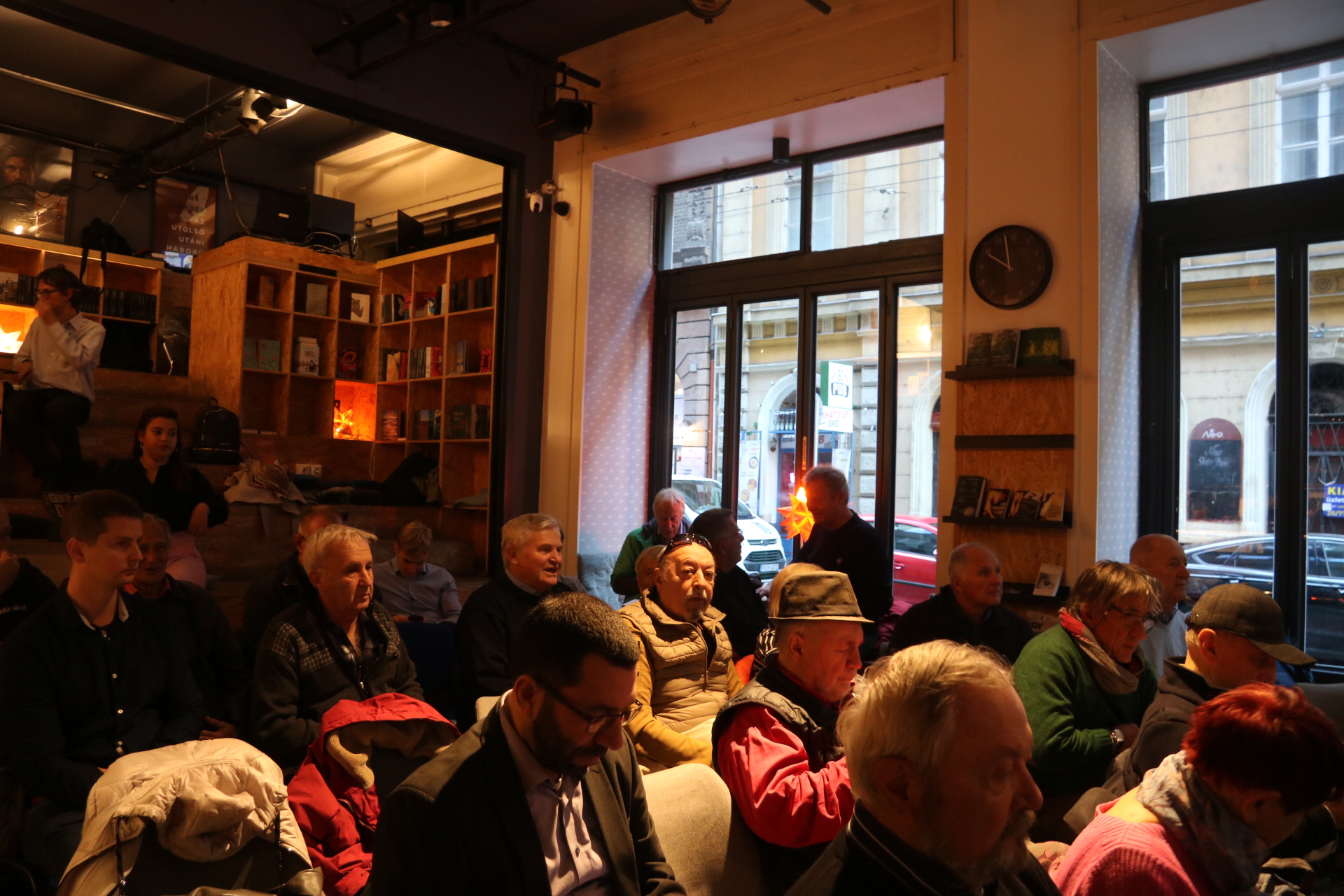
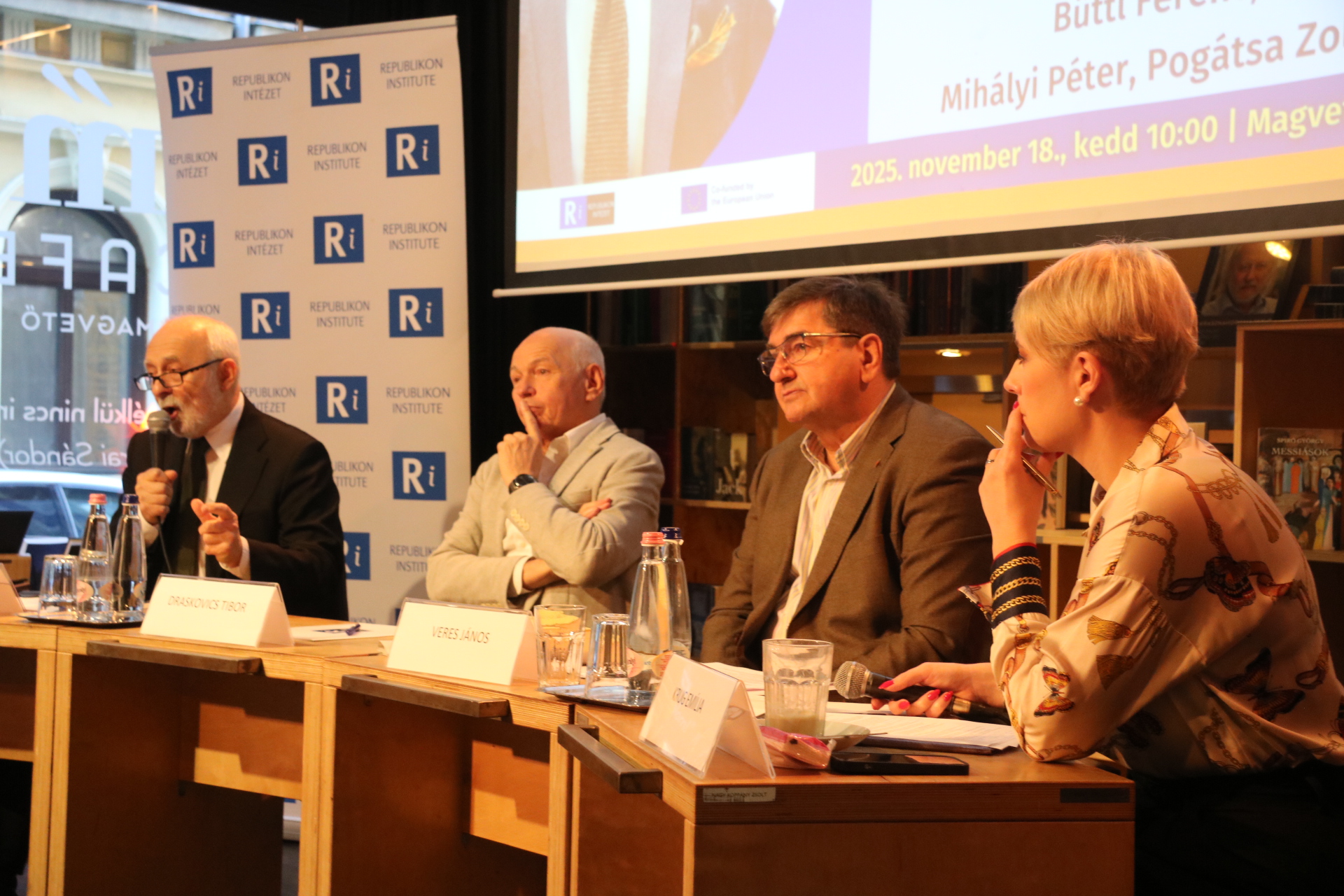
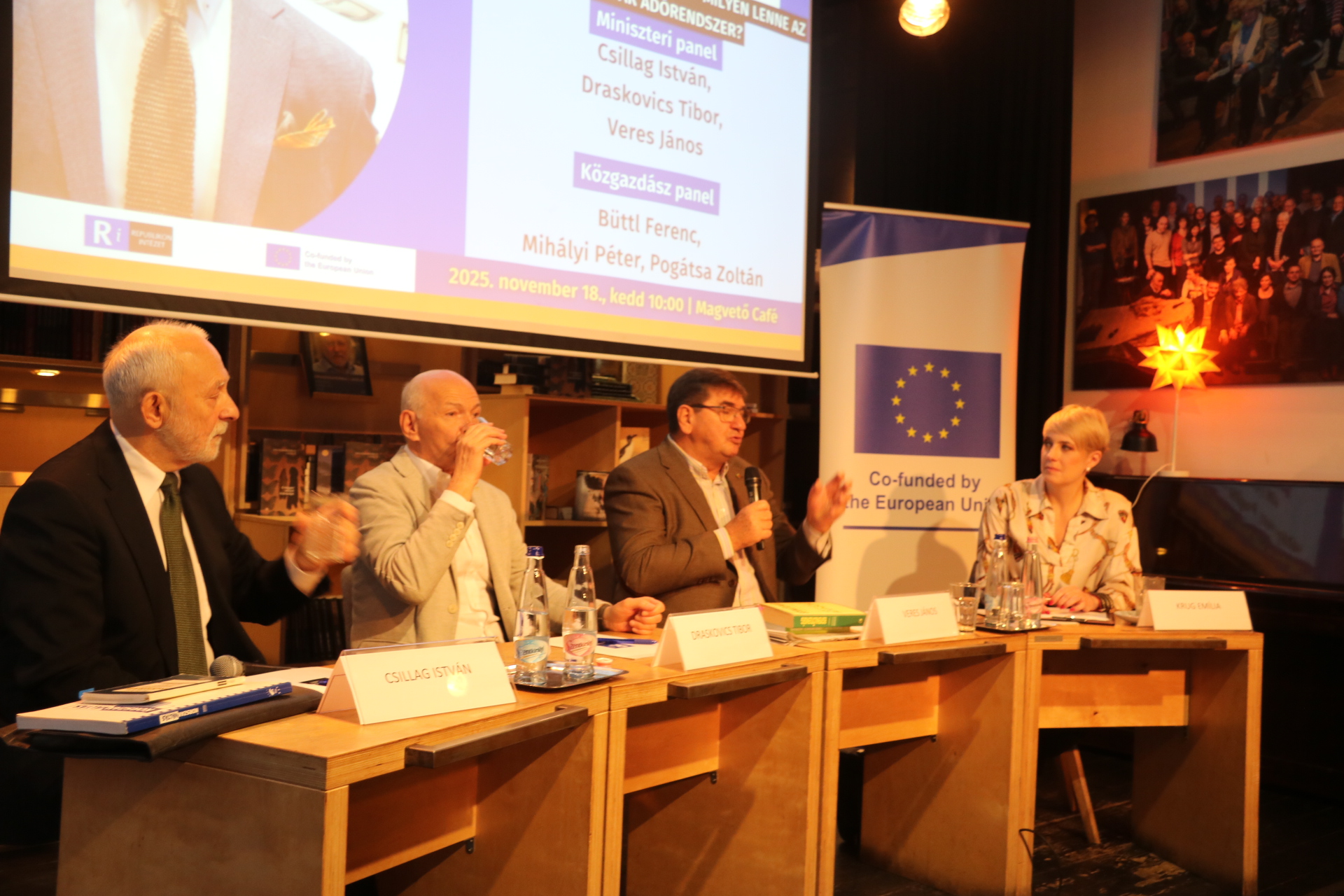
On November 18, 2025, the Republikon Institute held a conference entitled "Public burden – One key, multiple keys – what would be the ideal Hungarian tax system?" where experts analyzed the current status and underlying issues of the Hungarian tax system.
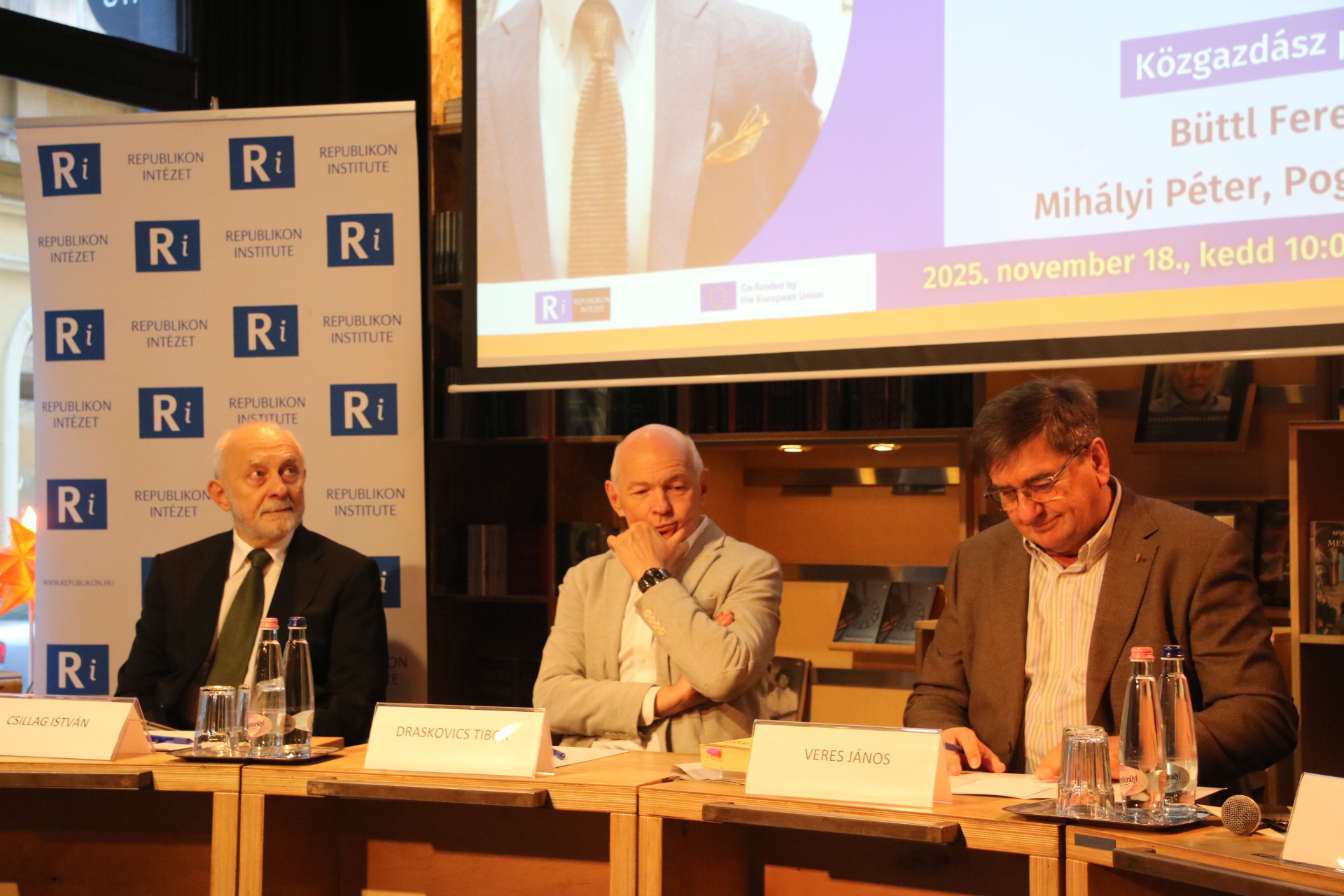
In the ministerial panel, István Csillag emphasized that the primary goal of the tax system is to stimulate economic growth. Therefore, ensuring the predictability of taxes for businesses is crucial. Frequent changes in tax policy can undermine investment interest and result in long-term competitive disadvantages. Tibor Draskovics pointed out that taxation is not inherently fair or unfair; instead, it depends on the public services it finances and how efficiently the state operates. He stressed that legal certainty and transparent regulations are just as important as tax rates. János Veres highlighted that Hungarian society has a limited capacity to bear financial burdens, which is why income disparities and the unique characteristics of rural areas must be considered in any tax reform. The tax system should not only secure stable revenues but also help reduce social inequalities.
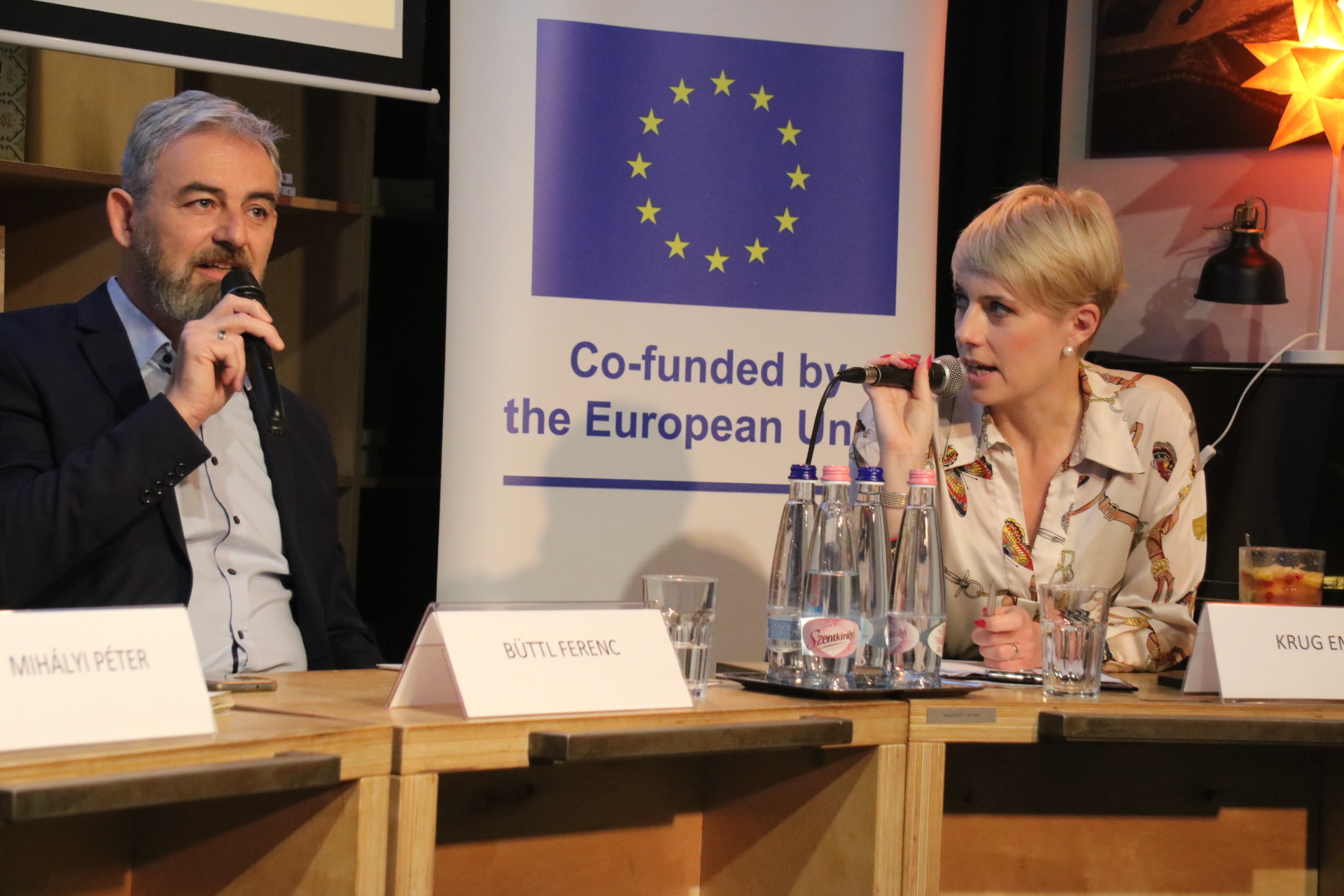
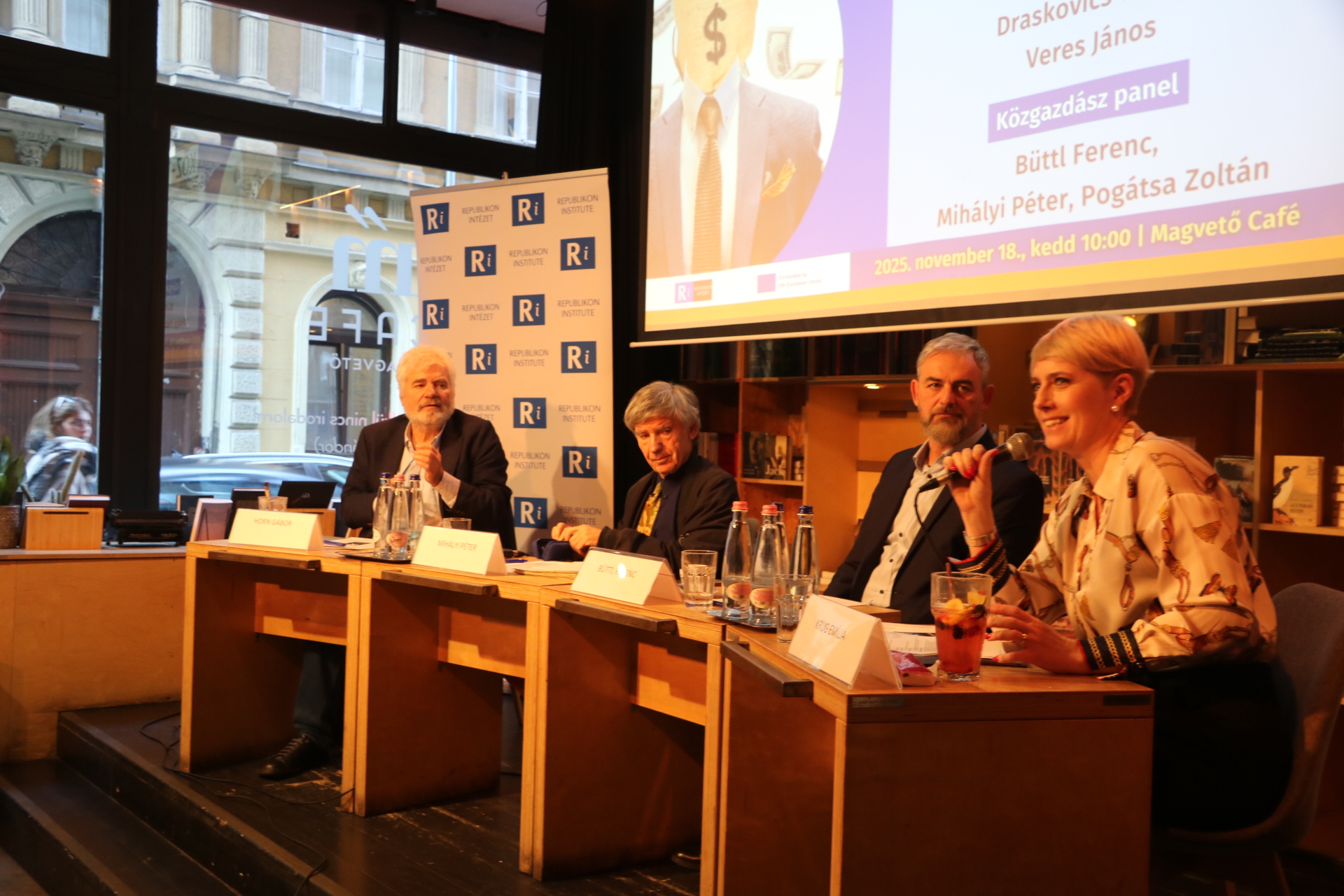
During the second economics-themed panel of the conference, Péter Mihályi, Ferenc Büttl, and Gábor Horn provided a comprehensive overview of structural distortions in the Hungarian economy, contradictions in the tax system, and the influence of social attitudes on economic conditions. A key focus of their discussion was the criticism of the current tax system, with all three experts agreeing that it is opaque and overly complicated. Péter Mihályi highlighted the absurdity of having 56 different types of taxes, noting that the system is riddled with unjustified exceptions, such as tax exemptions for Olympic athletes, even as tax revenues fall short of covering expenditures. In line with this, Gábor Horn pointed out that the "flat-rate" tax system advocated by Fidesz does not truly exist due to the numerous exceptions. Although he recognizes that the Tisza Party's proposals imply a multi-rate system, he, along with István Csillag, would support a genuinely transparent and accessible flat-rate system. Conversely, Ferenc Büttl advocated for the introduction of progressive taxation. However, he stressed that the most critical issue is not simply the number of tax rates, but rather the need to restore trust in institutions.
During the analysis of the economic policy environment, the level and nature of state intervention received significant criticism. Ferenc Büttl argued that the Hungarian economy is overregulated and requires deregulation, deeming sector-specific special taxes as detrimental. Gábor Horn added that companies under the National Cooperation System (NER) are artificially sustained; he claimed they would struggle to survive in a free market due to deliberate exclusion from competition. The use of EU funds was also criticized, with Horn stating that extravagant investments, such as road paving, often did more harm than good. Péter Mihályi called for substantial spending cuts, cautioning against the false belief that public finance deficits can be resolved solely through promises without tax increases. There was a consensus that the future outlook is grim: according to Ferenc Büttl, any "new" government will inevitably have to implement painful austerity measures to stabilize the economy.
One of the most significant aspects of the panel discussion was the exploration of the relationship between society and the economy. The experts noted that Hungary lacks civic awareness; many people do not recognize the connection between the taxes they pay and the quality of public services they receive. Péter Mihályi expressed skepticism about the effectiveness of education alone, using smokers as an example to illustrate that rational knowledge (understanding that something is harmful or economically unwise) often does not change deeply ingrained habits and patterns learned at home.
According to Gábor Horn, the school system should focus on teaching risk-taking, which is currently lacking. He pointed out that voters often make decisions based not on economic facts but on feelings of security and political perceptions. The panelists also advised caution regarding the implementation of a wealth tax, with Horn stating that society is not yet prepared for this measure. Instead, he emphasized that accountability should be the primary focus. Additionally, they highlighted that existing measures, such as support for first-time home buyers, do not effectively reach the intended young audience in their current form.
The operation of Republikon Institute is supported by the European Union. The views and opinions expressed at the event do not necessarily reflect that of the European Union. Neither the European Union, nor the organisation providing support can be made responsible for these.