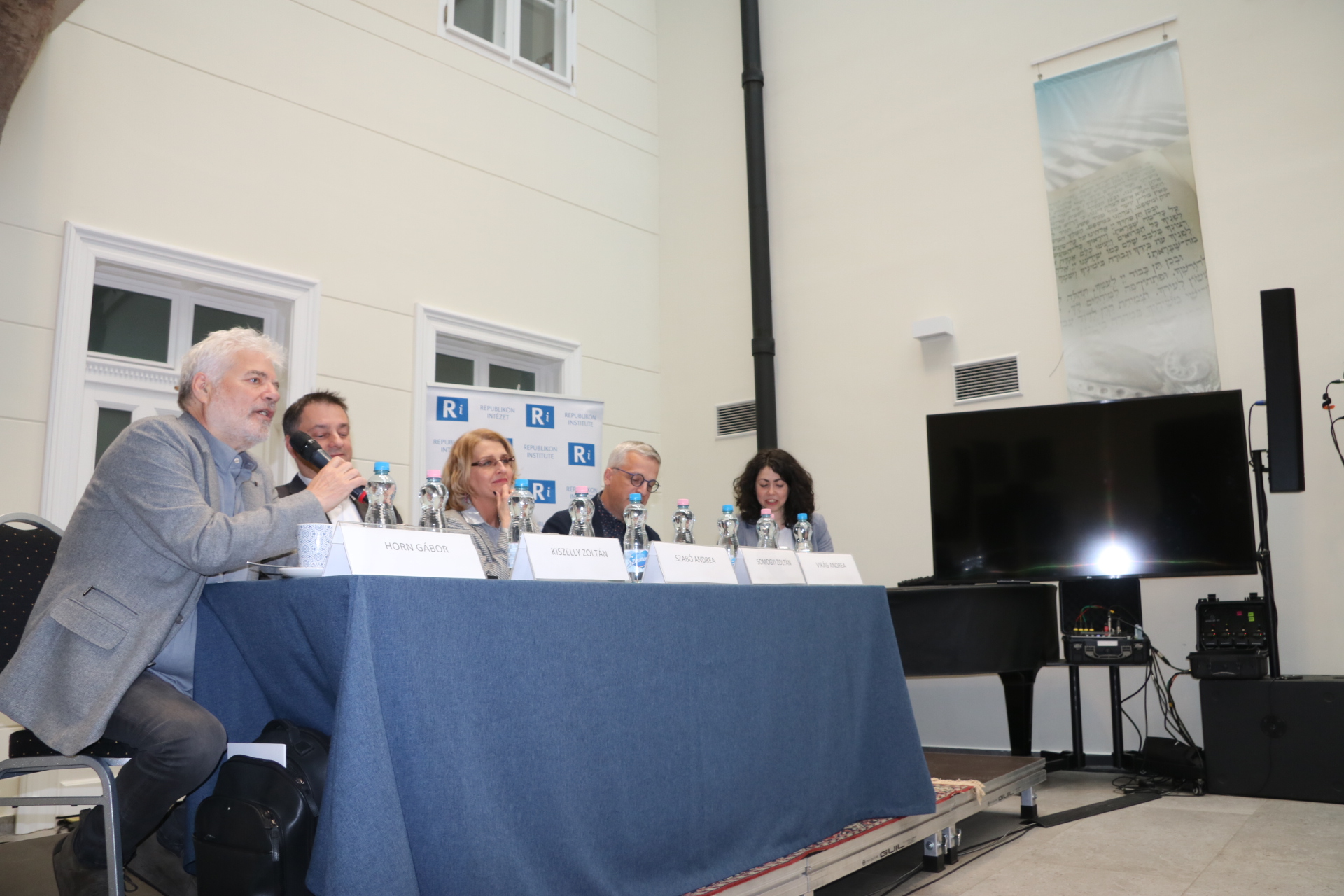
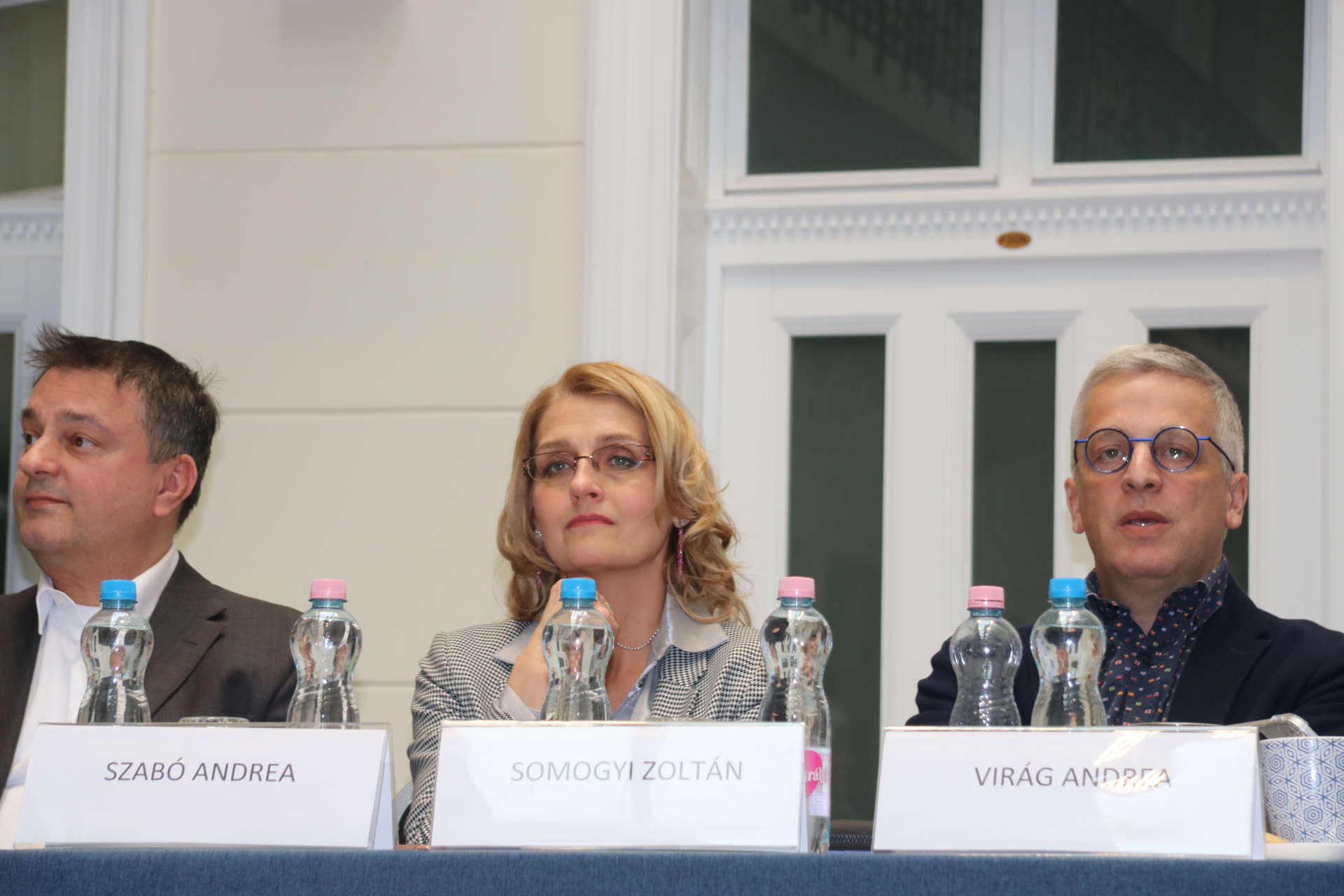
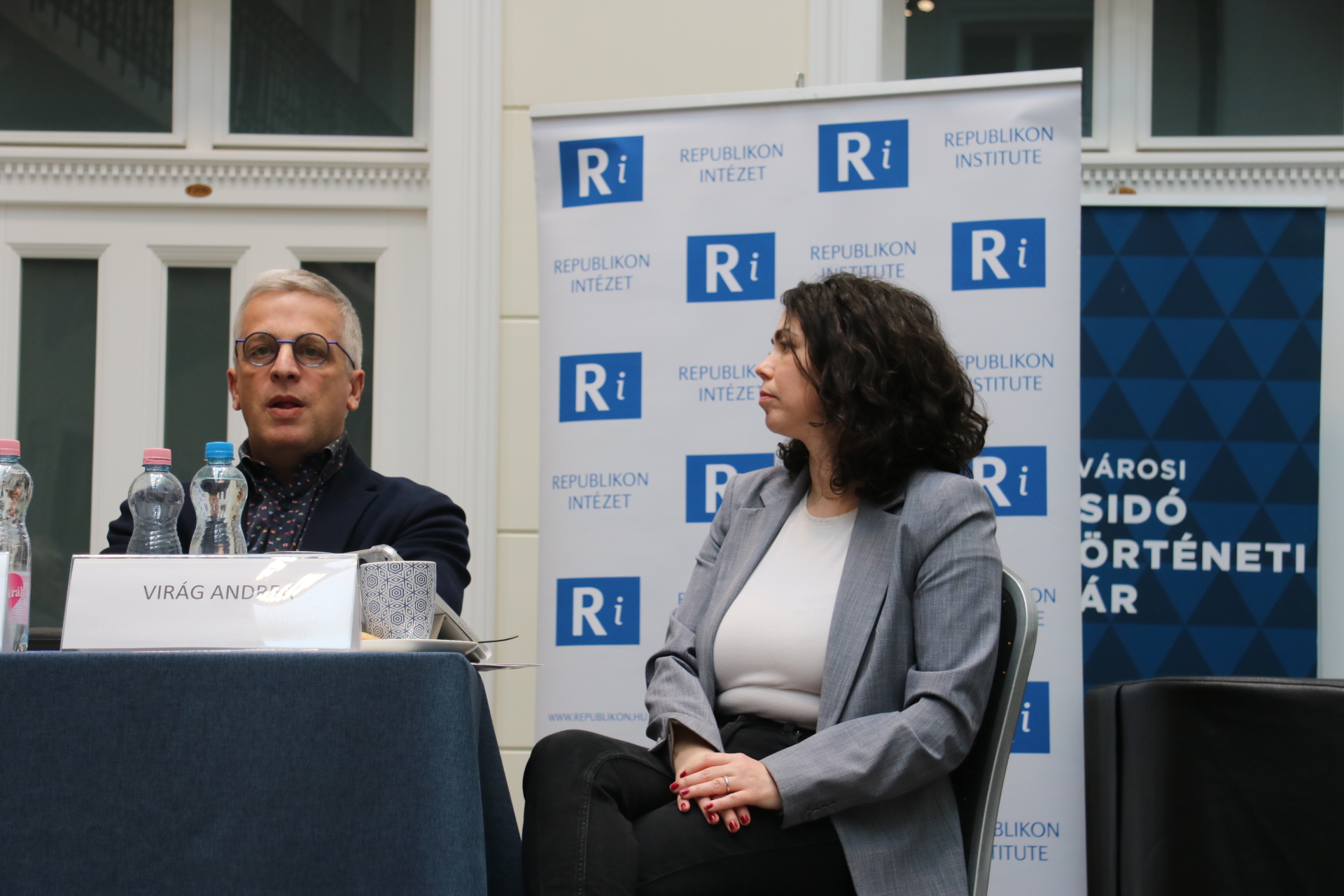
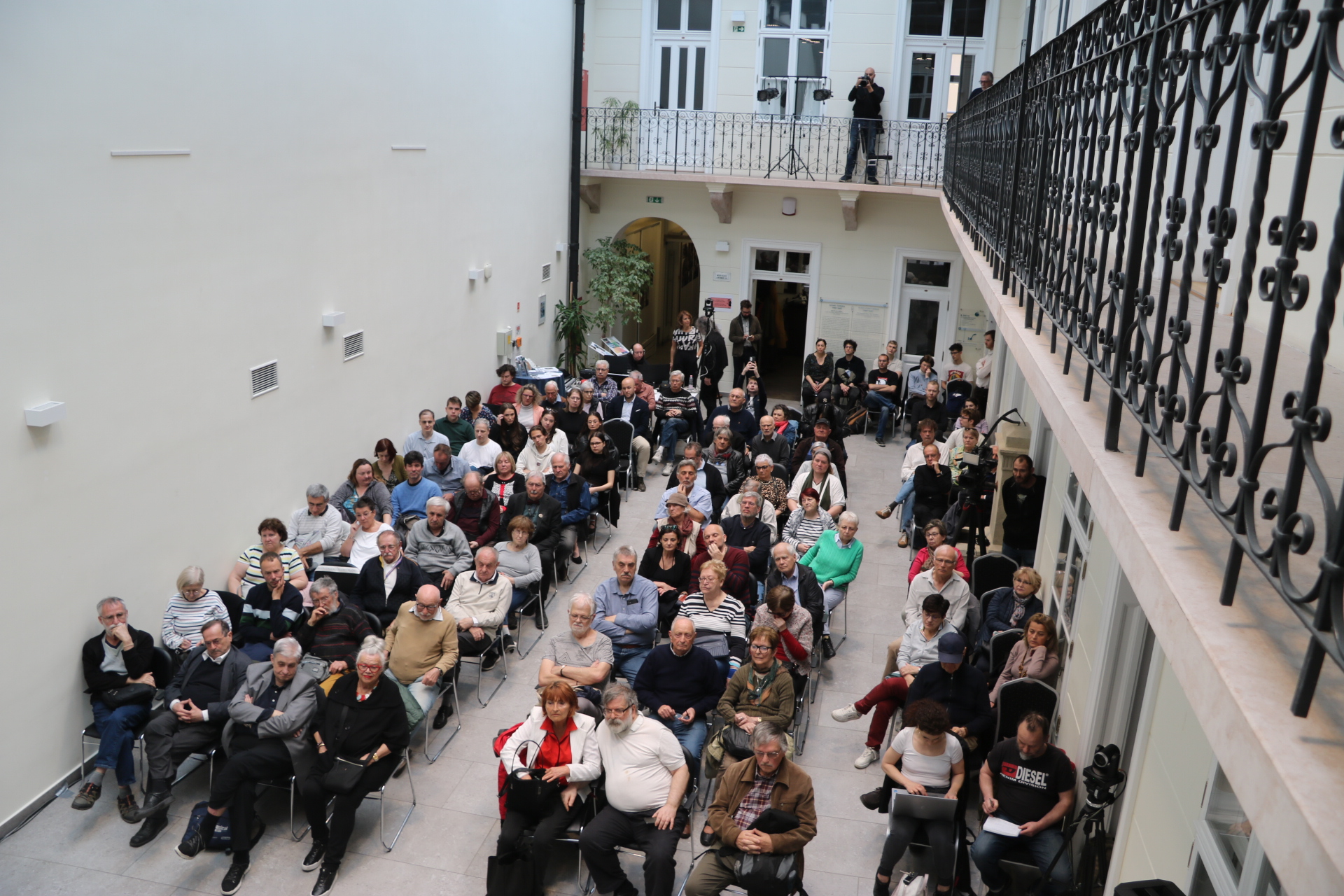
On April 14, 2026, the Republikon Institute hosted a conference titled "Hungary Has Decided – Experiences of a Fateful Election" where a panel of experts analyzed the campaign leading up to the 2026 general elections and the resulting outcomes. The discussion was moderated by Andrea Virág, Strategic Director of the Republikon Foundation.
Panelists included:
- Gábor Horn, Chairman of the Republikon Foundation
- Zoltán Kiszelly, Director of Political Analysis at Századvég
- Zoltán Somogyi, Co-founder of Political Capital
- Andrea Szabó, Social Scientist and expert in voting behavior
The first segment of the discussion focused on the unexpectedly high turnout rate of nearly 80%. Gábor Horn noted that for the first time since the regime change in the 1990s, young voters participated in large numbers, which he attributed primarily to the mobilizing efforts of Péter Magyar. Andrea Szabó contextualized this trend scientifically, observing a "three-level rebellion": not only did young people show up, but disillusioned urban and rural populations—including the "sandwich generation" caught between caring for their children and parents, as well as public sector employees—also rallied for change.
Zoltán Kiszelly offered a nuanced perspective, pointing out that while Fidesz engaged in significant mobilization, their efforts faltered in previously "safe" regions like Szabolcs-Szatmár-Bereg. Horn highlighted a significant takeaway from the election: the collapse of the assumption that rural areas would unequivocally support Fidesz, citing his own research findings. Zoltán Somogyi characterized Fidesz's defeat as unprecedentedly severe, attributing it to the party's internally uncritical political culture and poorly chosen foreign policy stances.
The panelists engaged in a spirited debate around the impact of the government’s pro-Russian rhetoric on election outcomes. Andrea Szabó argued that for young people, EU membership has transcended being merely a foreign policy issue and has become an integral aspect of their identity, making it impossible for Fidesz to sway them against their European values. Gábor Horn added that while Fidesz retained its core voters, they lost control of the campaign narrative in the crucial final weeks. In contrast to Viktor Orbán's "Zelensky or me" dilemma, Péter Magyar offered a vision of a "New Hungary," which was bolstered by endorsements from former officials re-entering the public discourse.
Zoltán Somogyi criticized the government’s propaganda, suggesting that it was predicated on fear rather than genuine political promises. Zoltán Kiszelly, on the other hand, refrained from labeling pro-government voters as "misled," acknowledging that scandals like the Erasmus affair and uncertainties surrounding EU programs may have tarnished the government's image among the youth.
A particularly charged moment in the conference arose over the credibility of polling data. Both Somogyi and Szabó harshly criticized the measurements from government-aligned institutes such as the Nézőpont Institute and Századvég, branding them "lies." Szabó emphasized that scientifically conducted research should align fairly closely, and that any errors should be acknowledged rather than deflected. Kiszelly attributed discrepancies in measurements to differences in methodology and pointed out that such errors have plagued polling in previous years.
This dispute over professional credibility led to personal tension, with Kiszelly defending his methods, stating that he conducted his research with integrity. In response, Somogyi sharply critiqued the methodology, asserting that government-aligned institutes should be more transparent about their political affiliations, as he felt no scientific approach could justify their published results. Gábor Horn concluded that the issue at hand was not merely methodological but one of self-delusion; he argued that the corruption within the system prevented individuals from confronting the Prime Minister with the reality of the situation, which led Fidesz to campaign within an echo chamber during the final weeks.
Looking to the future, Andrea Szabó suggested that Fidesz must confront the "Orbán problem," as the outgoing Prime Minister’s tendency to deflect responsibility is unsustainable in the long run. Zoltán Somogyi anticipated a renewal in political culture, envisioning a shift away from fear-mongering towards more responsible communication. He expressed doubt about Viktor Orbán's chances of a comeback, citing a new generation that has grown up witnessing the Prime Minister's downfall.
Regarding the Tisza Party’s campaign, the others contested Kiszelly’s label of "postmodern." Horn and Somogyi pointed out that traditional campaign tools, like window posters, remain relevant; they emphasized that the key to success lay in the enthusiasm of the people and the cultivation of a "positive identity." However, Somogyi raised concerns about the unprecedented budget deficit and fuel shortages that emerged in the election month, presenting immediate challenges for the new leadership. Gábor Horn noted that in terms of institutional reforms—particularly in education and healthcare—restoring professional "honor" would be crucial, which does not necessarily require extensive resources.
The closing thoughts focused on parties outside of parliament or those significantly weakened. Andrea Szabó stated that [the party] lost all its moral capital by failing to withdraw despite pressure, and "lost its sense of humor." Regarding the fate of the DK (Democratic Coalition), there was a consensus that a leadership crisis and internal reshuffling are expected. Opinions on Mi Hazánk were more divided: while Szabó believes they could become a major opposition force by absorbing disillusioned Fidesz voters, Horn believes the party will remain a far-right subculture with limited popularity.